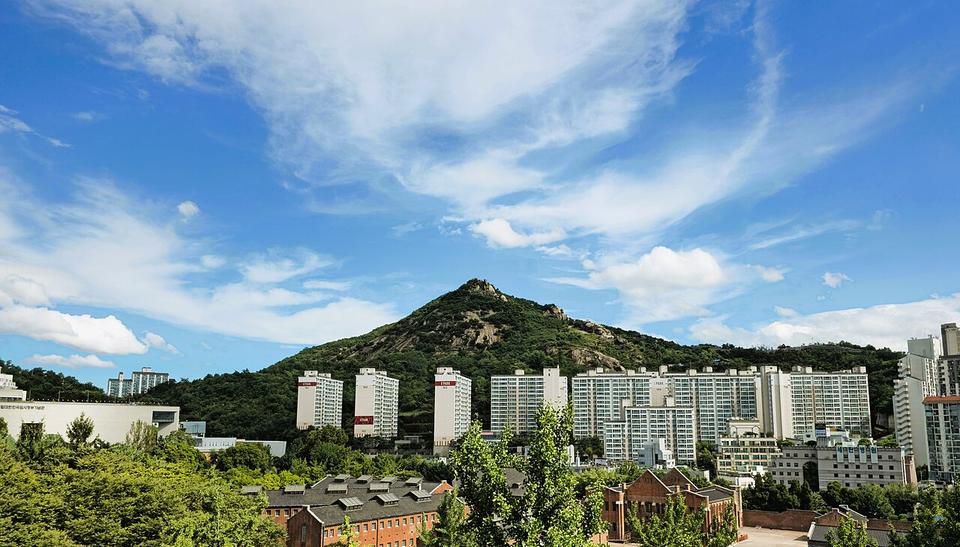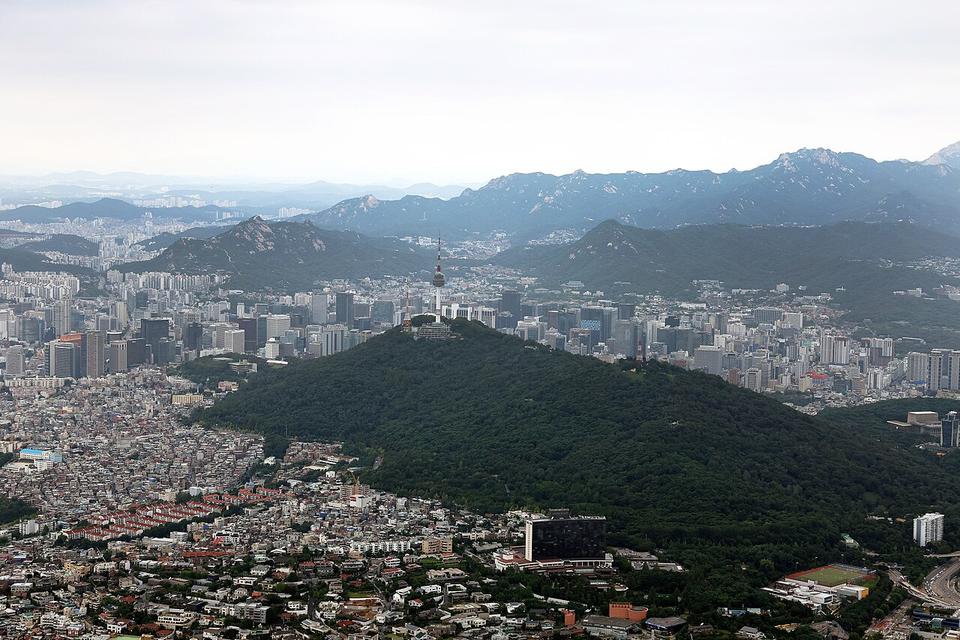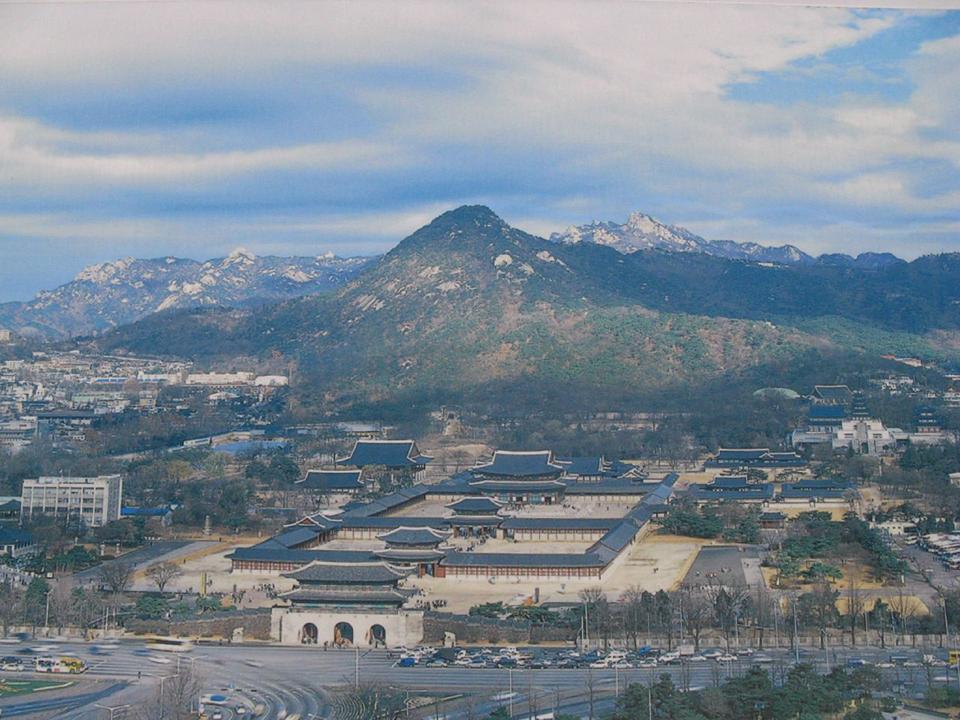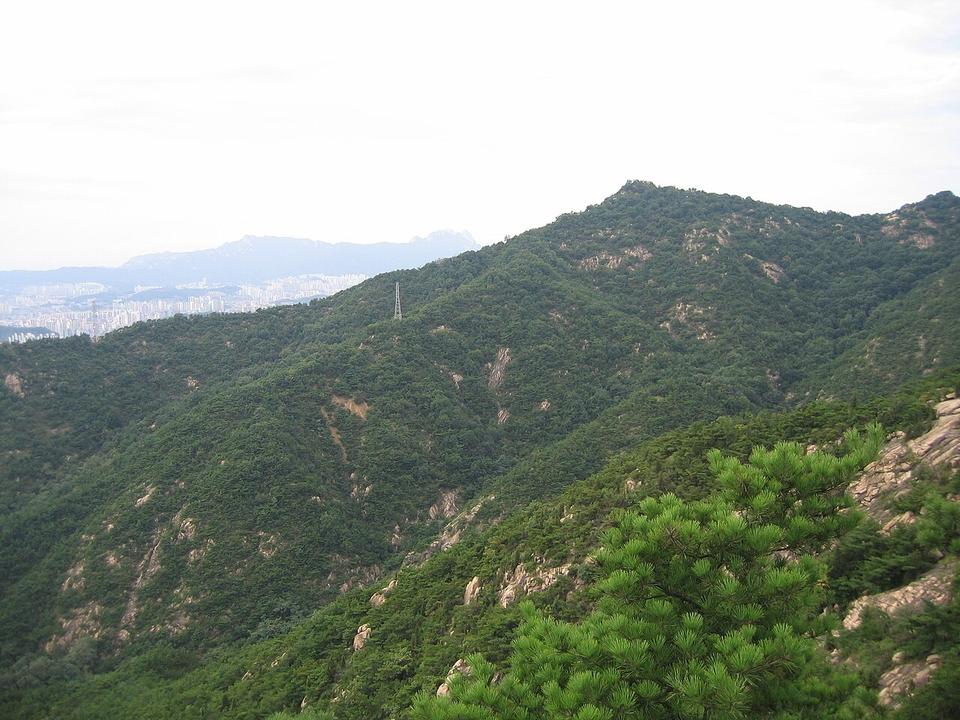
Hiking in Korea is easy to start and harder to plan, because most of the rules that decide your day are published in Korean. This guide covers 30 mountains across 13 regions of South Korea, from Namsan (270 m) in central Seoul to Hallasan (1,947 m) on Jeju. Every mountain page follows the same layout: a stats table, how to reach the trailhead on public transport, individual trails with distance and walking time, seasons, food, safety notes and the date the details were last checked.
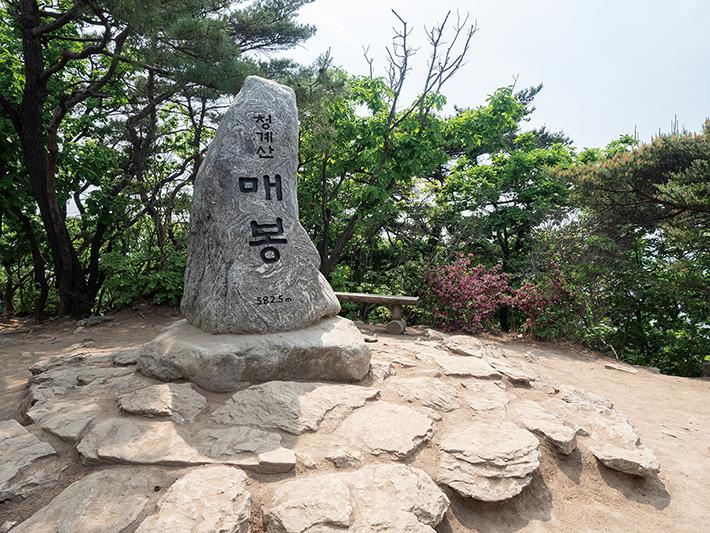
In Seoul you can walk to a trailhead from the subway. Dobongsan's trail starts at the exit of Dobongsan Station (Lines 1 and 7). Bukhansan, at 836 m the tallest of the eight Seoul mountains here, is reached from Gupabal (Line 3) or Bukhansan Ui-dong on the Ui-Sinseol Line, and its Baegundae summit takes 2–3 hours round trip from Ui-dong. Gwanaksan (Line 2), Suraksan (Lines 4 and 7), Achasan (Line 5) and Inwangsan (Line 3) make half-day hikes, and Cheonggyesan is a five-minute walk from its station on the Sinbundang Line. In Busan, Line 1 to Oncheonjang reaches Geumjeongsan.
Hallasan needs the most planning. Its two summit trails, Seongpanak and Gwaneumsa, require a free online booking at visithalla.jeju.go.kr, and slots go within minutes in spring and autumn. Rangers stop summit access at 12:30 from April to September and at 11:30 from October to March, both at the trailhead gate and at the mid-mountain checkpoint. Trails open at 05:00, but the first airport bus does not reach Seongpanak until about 07:26, so many hikers take a taxi.
Several national parks switch single sections to booking-only for part of the year, through reservation.knps.or.kr. In 2026 these included Hyangjeokbong on Deogyusan in azalea season (May 19 to June 22), the Jukryeong ridge on Sobaeksan in July and August, Manmulsang on Gayasan (September 1 to October 31) and Seoraebong on Naejangsan in the foliage season (October 18 to November 16). Entering a booking-only section without a booking can be fined. Spring wildfire closures are the other date to check: many parks shut trails from early March to the end of April, and Seoraksan's high trails to Daecheongbong stayed closed until May 15 in 2026 and close again from November 15 to December 15.
Some parks also stop letting hikers start after a fixed hour. The Huibang and Samga gates on Sobaeksan and the Songgye and Deokjusa gates on Woraksan close entry at 13:00 from November to March and at 14:00 from April to October, and Taebaeksan's Dangol gate admits hikers only until 15:00 in winter. Mudeungsan's summit lies inside a military area and opens once a year, to Korean nationals only.
Overnight trips depend on shelters. National park shelters, including the seven bookable shelters on Jirisan, are allocated by lottery at reservation.knps.or.kr, and wild camping is illegal. Jirisan's main ridge from Nogodan to Cheonwangbong runs 25.5 km and takes most hikers three days and two nights. On most pages the main hiking months are spring (April–May) and autumn (October–November): Hwangmaesan's royal azaleas cover its upper slopes in late May, Naejangsan is best known for autumn foliage, and Hallasan's snow season runs from December to February. Crampons are recommended in winter even on Bukhansan. In an emergency dial 119; 1330 gives English support 24 hours a day.
Mountains with a guide
Thirty mountains, from short Seoul ridges to the big national parks. Every mountain page follows the same shape: why the peak is worth a day, a stats table, how to reach the trailhead on public transport, the individual trails with distance and walking time, seasons, food nearby, safety and cultural background. There is also a map of all thirty peaks and a phrasebook of Korean trail phrases with romanization; the phrase meanings are currently in English only.
Seoraksan
설악산 · 1708m · ★★★★
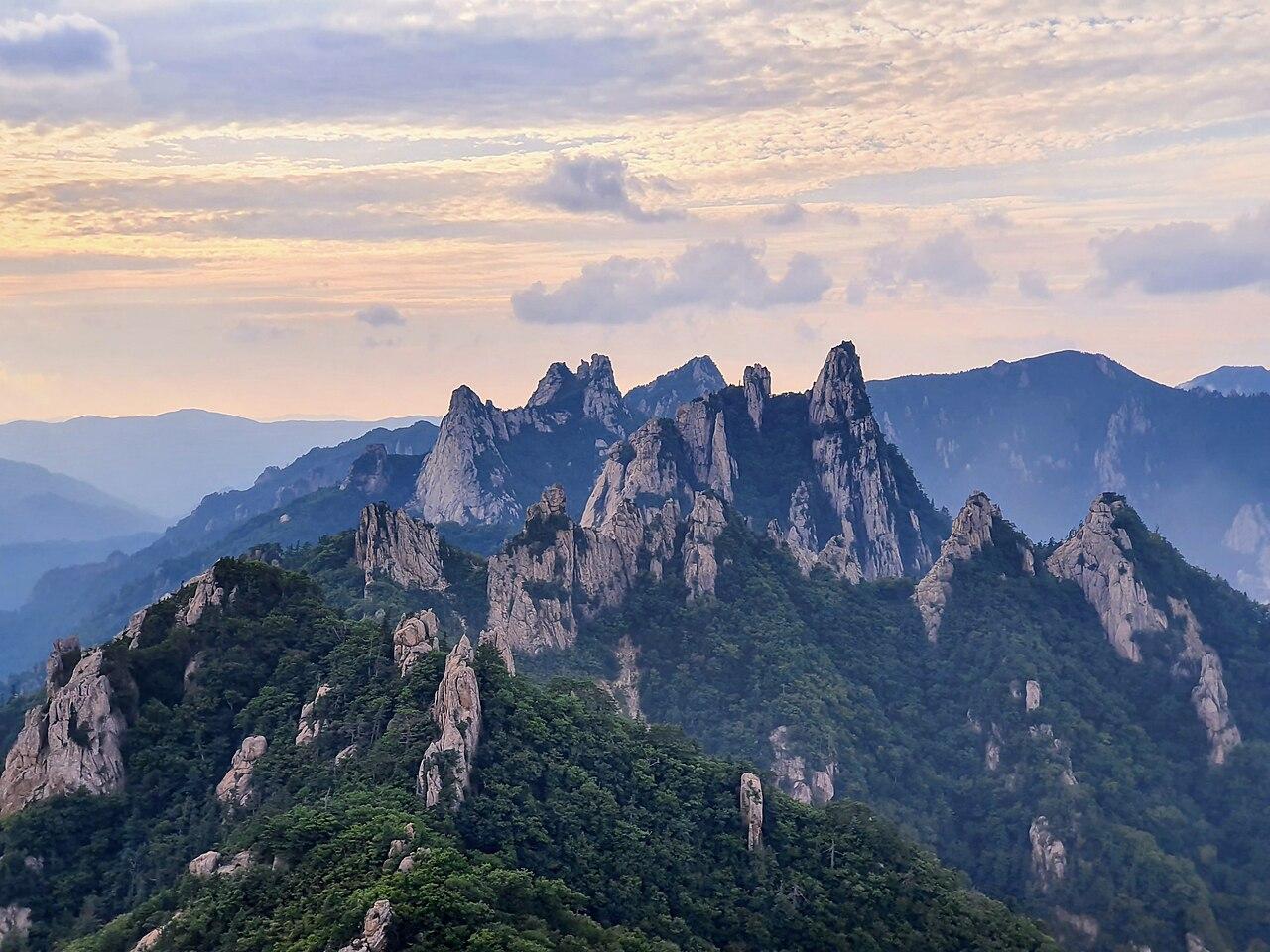
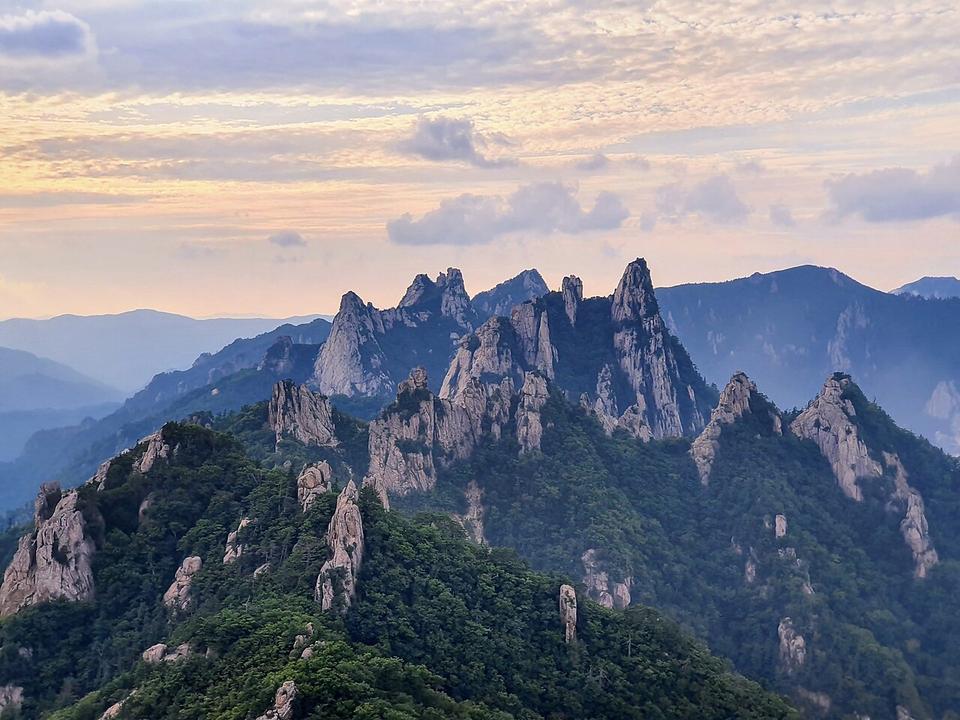
Seoraksan (1,708 m) is the highest peak in the Taebaek range and the third-tallest mountain in South
See more →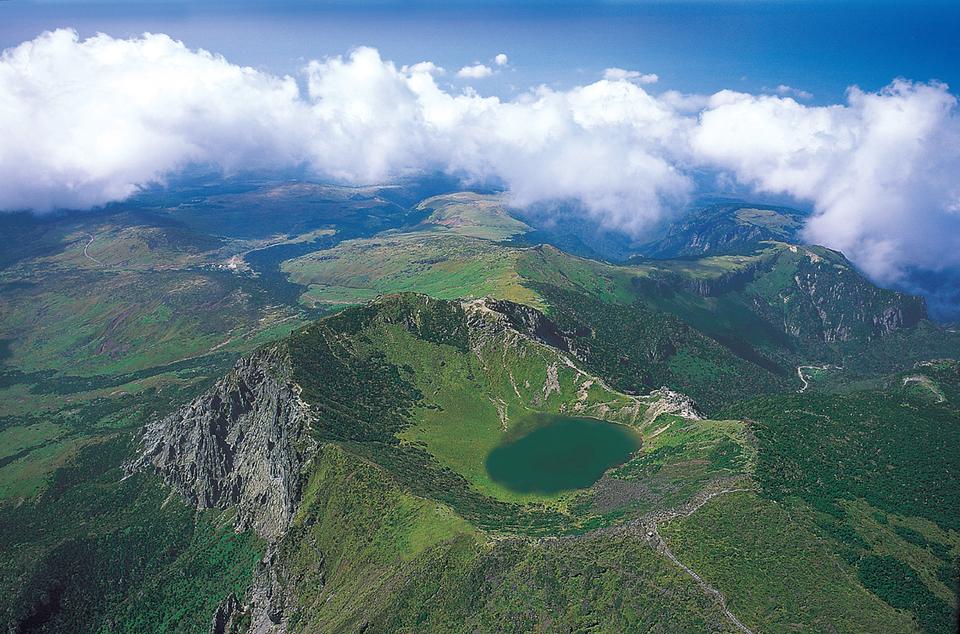
Hallasan
한라산 · 1947m · ★★★★
Hallasan (1,947 m) is the highest mountain in South Korea and a dormant shield volcano at the center
See more →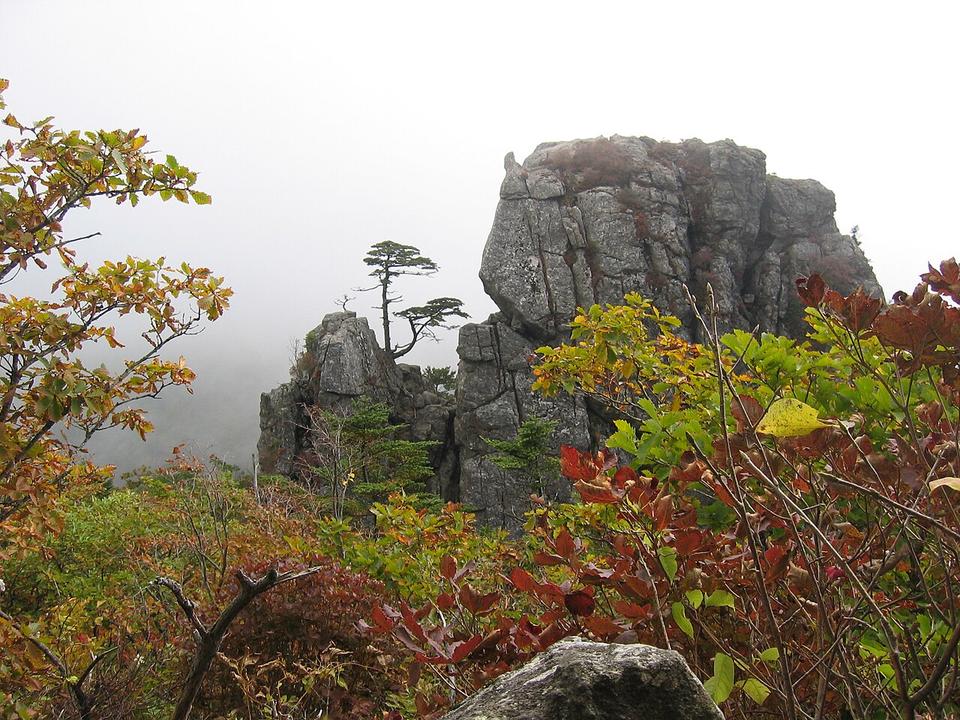
Jirisan
지리산 · 1915m · ★★★★★
Jirisan (1,915 m) is the highest mountain on the South Korean mainland and the largest mountain nati
See more →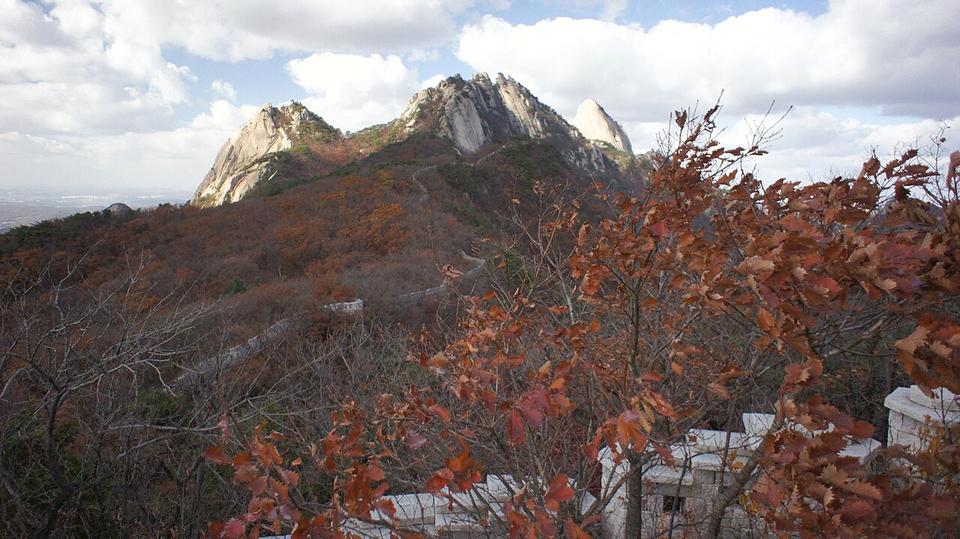
Bukhansan
북한산 · 836m · ★★★
Bukhansan (836 m) sits on the northern edge of Seoul and holds the record as the world's most visite
See more →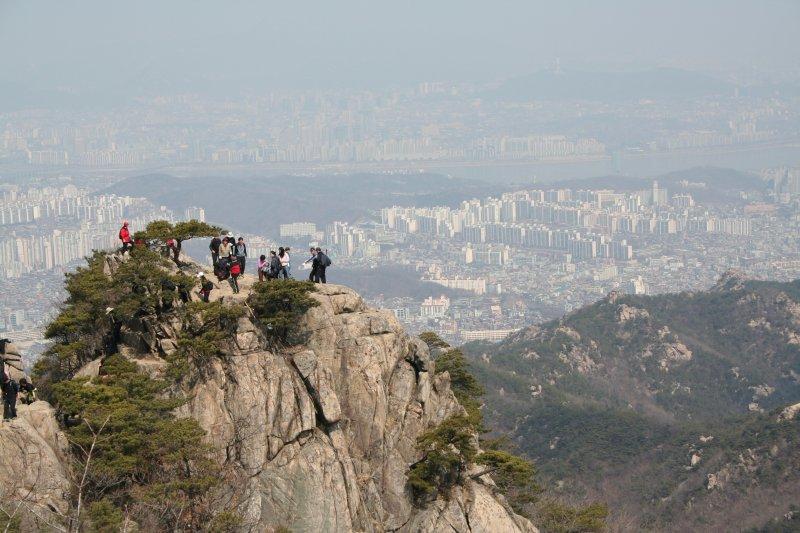
Gwanaksan
관악산 · 632m · ★★★
Gwanaksan (632 m) is Seoul's most rugged suburban mountain, rising sharply along the southern city b
See more →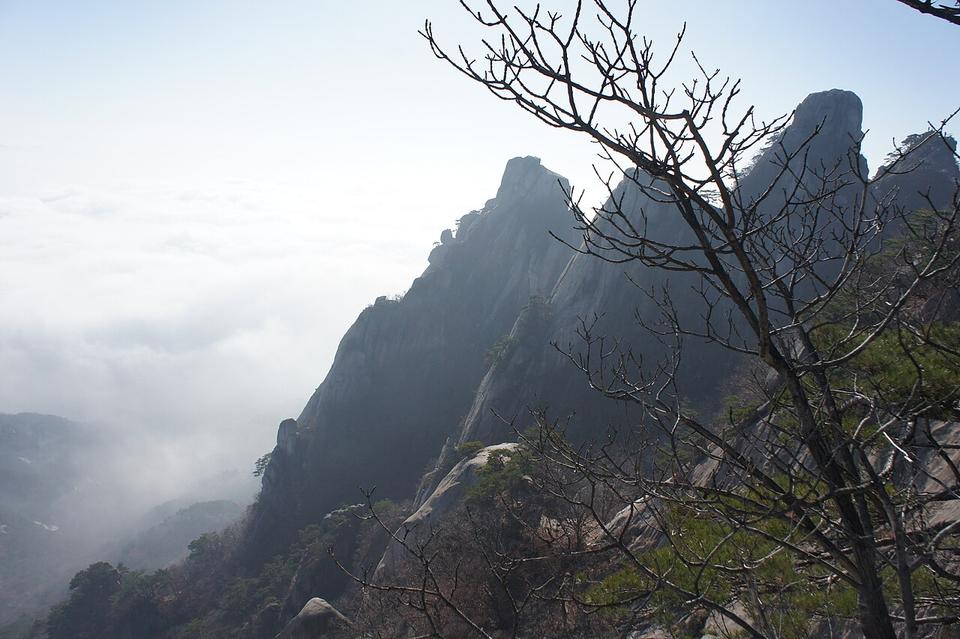
Dobongsan
도봉산 · 740m · ★★★
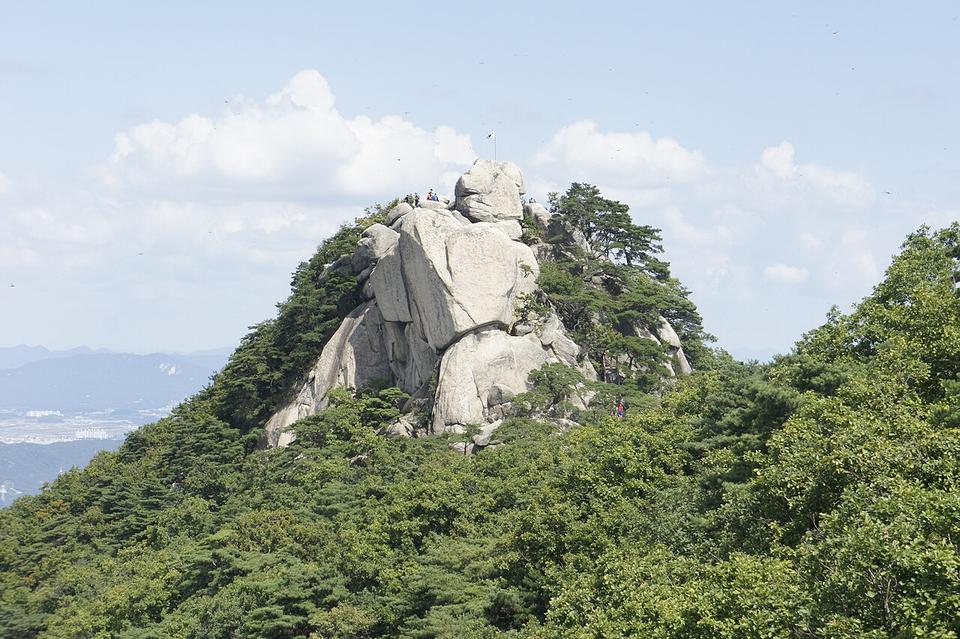
Dobongsan (740 m) anchors the northern edge of Seoul with a cluster of sharp granite spires — Jaunbo
See more →